Why the Metal Detector is the Most Critical Moment of Pet Travel (And How to Master It)
Pets in the detector, carriers in the X-ray
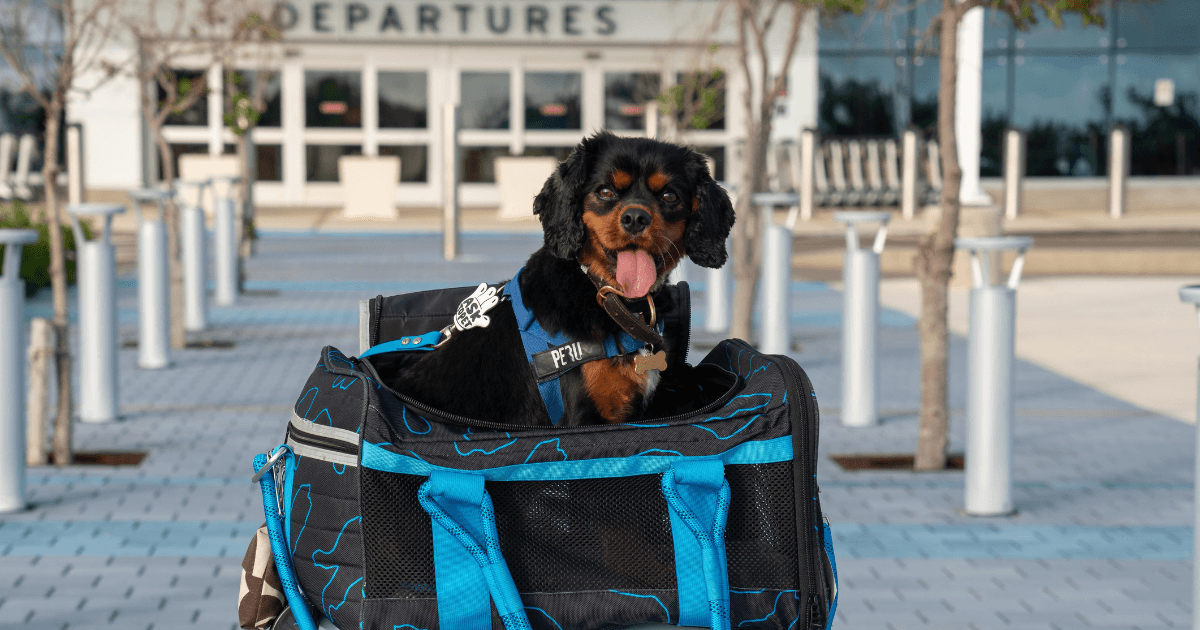
The carrier goes through the X-ray. Your pet doesn't. TSA's guidance for traveling with pets says to remove your pet from the carrier, send the empty carrier through the X-ray, then carry your pet or walk them on a leash through the metal detector.
The X-ray tunnel screens property, not live animals — and a dark, noisy conveyor is no place for a frightened cat.
In practice, you'll open the carrier at the conveyor, move your pet into your arms or onto a non-metallic leash, and place the empty carrier on the belt.
Step by step at the metal detector
With the carrier on the belt:
Hold small pets against your chest. Cradle cats and small dogs firmly with both arms before you approach. Don't clip a leash to the carrier and drag it through — the carrier goes on the belt.
Use a non-metallic leash for larger dogs. Nylon or fabric beats a retractable model with a metal casing. Walk at a controlled heel; a slack leash reduces pulling toward the belt or a stranger.
Wait for the officer's signal. Don't step through until you get a clear cue. It's easy to rush with a nervous animal, but moving early can trigger a re-screen.
Expect a brief pat-down of your pet. An officer may do a light physical check afterwards. It's standard, not a sign that something went wrong. Keep your pet calm with a quiet voice and a steady hold.
If your pet is distressed before you even reach step one — freezing, vocalizing, pulling hard — act on it rather than pushing through.
When to ask for a private screening room
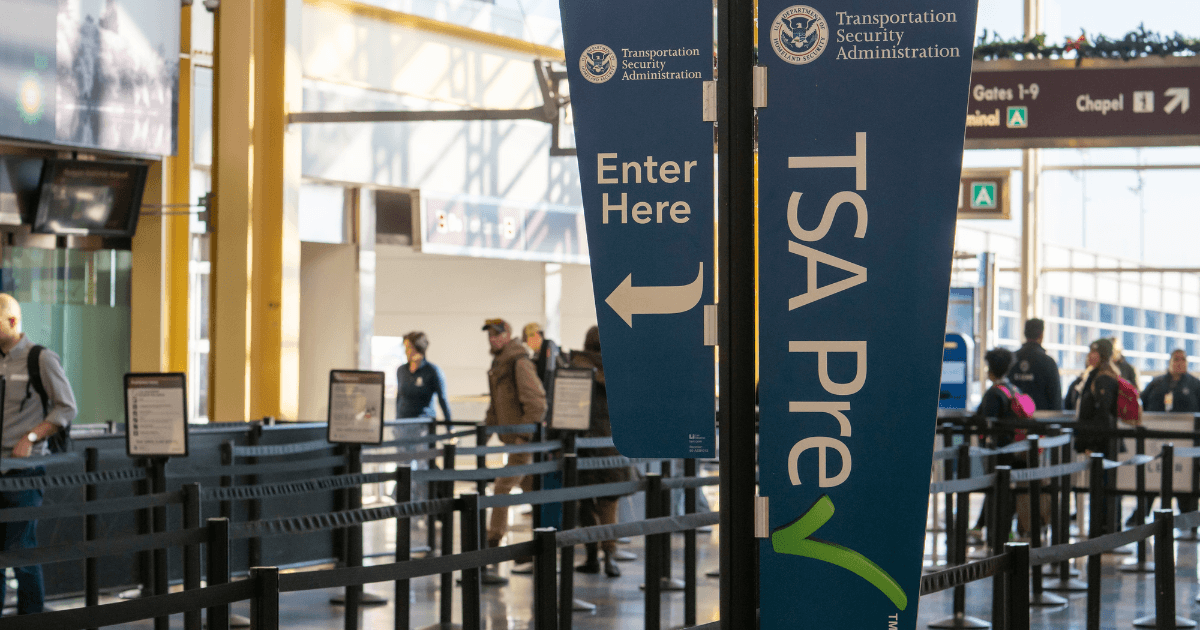
A crowded security line is the worst possible environment for a nervous pet.
Watch for displacement behavior: excessive vocalizing, frantic scratching at the carrier mesh, attempts to bolt when held, full-body trembling. If you see any of that before you reach the belt, that's your cue to act early.
TSA says travelers with skittish pets that may struggle or jump away can ask an officer to screen the pet in a private screening room. Ask before you put anything on the belt: "I have an anxious pet — could I ask about private screening options?"
This matters most for cats. TSA notes that maintaining control is important for cats, who often get skittish once they're out of the carrier and exposed to checkpoint sights and sounds.
Inside the room, the logistics are the same: carrier on the table, pet held securely, carrier through the X-ray, reunited before you leave. The difference is space and quiet.
Service animals at the metal detector
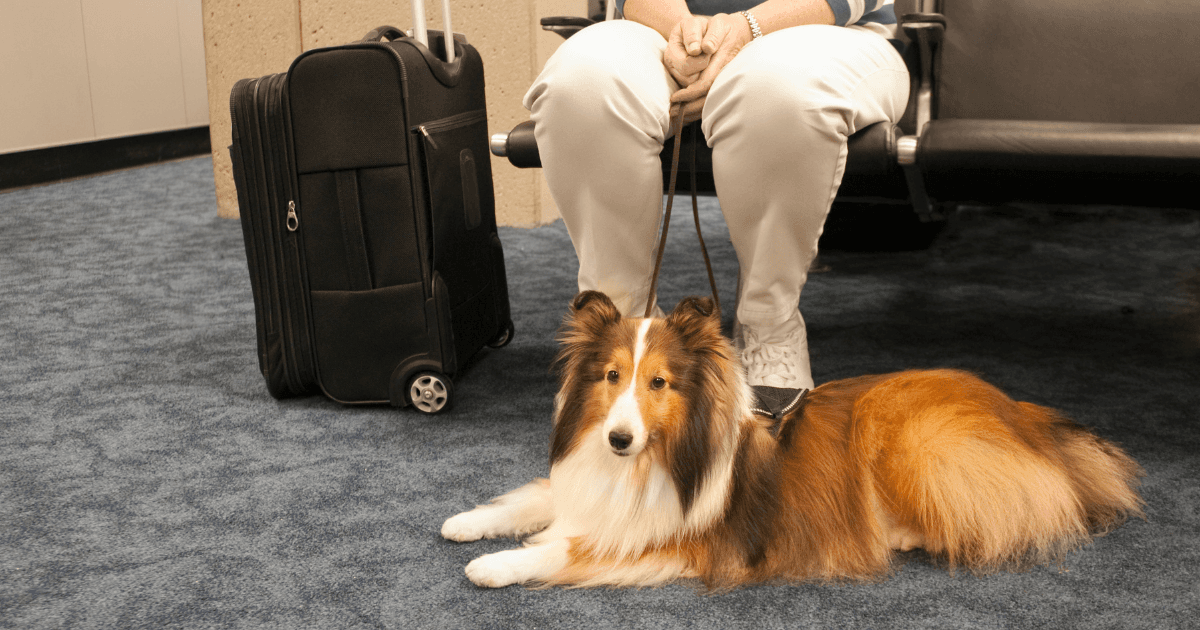
Service animal handlers deal with a layered version of the same moment: equipment, legal rights, and animal control all at once.
Necessary control items don't have to come off. TSA's service animal FAQ says handlers and service animals may walk through the metal detector together or separately on a leash. If the detector alarms, both handler and animal get additional screening, including a pat-down. Collars, harnesses, leashes, backpacks, and vests are subject to screening, but items needed to maintain control or show the animal is working can stay on.
For your own pat-down, position your dog in a tight heel first and give a calm "stay." The dog stays tethered to you — don't hand the leash to an officer.
Officers will ask for your assistance before touching a service animal or its equipment.
Before you leave for the airport
Preparation starts at home, not at the terminal. What separates a calm handler from a scrambling one is how much got sorted in advance.
Strip metallic gear in the queue. Remove non-essential collars, tags, and harnesses before you reach the bins, not while an officer waits.
Keep health certificates on top. If there's a secondary inspection, you want documents in hand, not buried in a carry-on.
Decide in advance whether you'll ask for a private room. Knowing it's an option is most of the battle.
Have your pet's records on your phone. A screen showing the full health profile beats a paper search while holding a nervous animal.
The PadsPass® Digital Pet Passport™ keeps vaccination records, health certificates, and route requirements in one place, so the document side is settled before you leave the house.
The bottom line
Your pet never goes through the X-ray. Carrier on the belt, pet in your arms or on a leash.
Private screening is yours to ask for. It's an accommodation, not a disruption.
Simple, non-metallic gear moves fastest. Service animals keep necessary control items on.
Sort documents before you leave home. The checkpoint is not the place to go hunting for a health certificate.
Get the paperwork done before the checkpoint
The physical part of the security check is manageable. What makes it stressful is arriving unsure whether your paperwork is right.
PadsPass verifies veterinary records and builds a route-specific compliance checklist, so health certificates, vaccination records, and destination rules are settled before you pack the carrier. One clear picture of what your route requires, instead of a dozen airline and government pages.