Why the Metal Detector is the Most Critical Moment of Pet Travel (And How to Master It)
Learn the essential airport security pet protocols. Discover how to safely navigate the metal detector and X-ray screening process with your pet for stress-free travel.
The Golden Rule: Pets in the Detector, Carriers in the X-Ray
Getting airport security pet protocol right comes down to one physical separation: your pet walks through the metal detector with you, and your carrier rides the conveyor belt alone.
Dog inside his pet carrier outside the airport.png
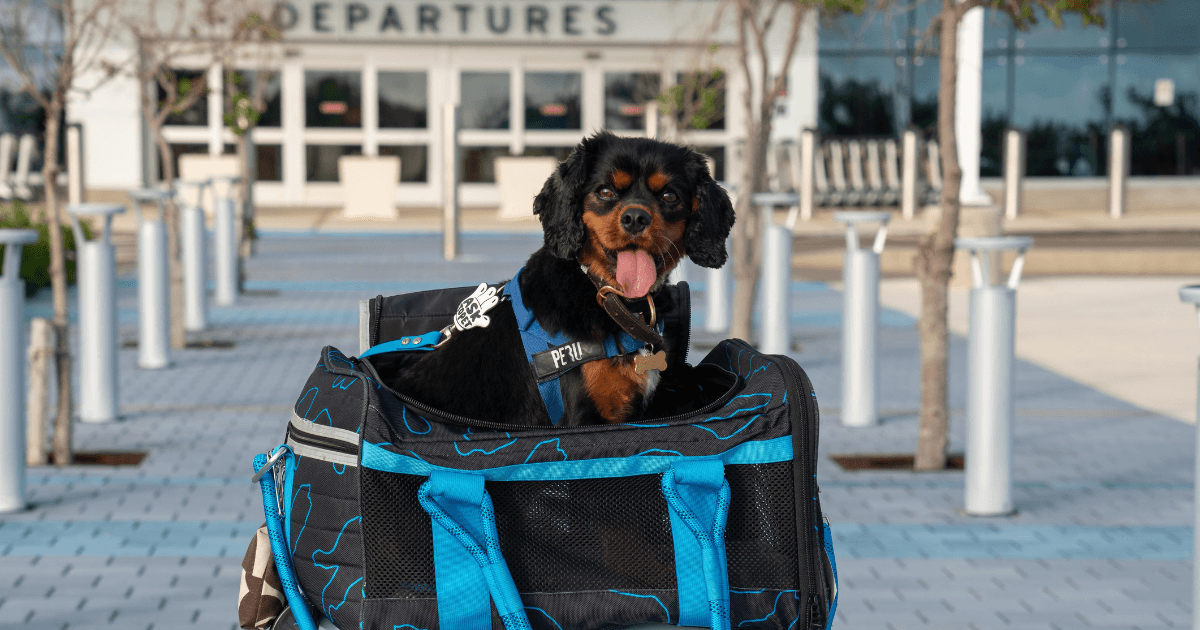
Never place your pet inside the carrier when it goes through the X-ray machine. According to TSA guidance, travelers should remove pets from their carrier, send the empty carrier through the X-ray machine, then carry the pet or walk them on a leash through the metal detector. This is not a suggestion. It is TSA’s stated checkpoint procedure.
The concern behind this rule is straightforward. The X-ray machine is used to screen personal property and carry-on luggage, not live animals. That distinction matters, and understanding it removes one of the most common anxieties travelers carry into the checkpoint.
In practice, this means you will need to unzip or open the carrier at the conveyor, transfer your pet into your arms or onto a non-metallic leash, and place the empty carrier on the belt. If your travel documents and vaccination records are already organized, tools like a the Digital Pet Passport can help you prepare everything in advance, you will arrive at this moment ready, not scrambling.
The hand-off itself is where most travelers feel the most uncertainty. The next section walks you through exactly what happens at the metal detector, step by step.
The Step-by-Step Protocol for the Metal Detector Walk-Through
Knowing the physical sequence at the metal detector separates a smooth checkpoint from a stressful scramble. TSA guidance says travelers should remove pets from their carrier, X-ray the empty carrier, and carry the pet or walk them on a leash through the metal detector. The steps below build directly on that carrier-separation rule, picking up from the moment your empty carrier disappears into the X-ray tunnel and you step toward the detector with your pet.
The movement through the metal detector follows a clear, four-part sequence:
Hold small pets securely against your chest. For cats and small dogs, cradle the animal firmly with both arms before you approach the detector. Do not clip a leash to the carrier and drag it through, the carrier goes on the belt, full stop. Understanding pet carrier x-ray rules in advance removes any last-second confusion at the belt.
Use a non-metallic leash for larger dogs. A standard nylon or fabric leash tends to work better here than a retractable model with a metal casing. Walk your dog through at a controlled heel pace; a loose, slack leash reduces the chance of the dog pulling toward the belt or a nearby stranger.
Wait for the TSA officer’s signal. Do not step through until the officer gives a clear visual or verbal cue. This “stop and wait” moment is easy to rush, especially with a nervous animal, but moving too early can trigger a re-screen.
Expect a brief pat-down of your pet. After the walk-through, a TSA officer may conduct a light physical check of the animal. This is standard and not a sign that something went wrong. Keep your pet calm with a quiet voice and a firm, steady hold.
And if your cat or dog shows signs of distress before you even reach step one, freezing, vocalizing, or pulling hard, that is a signal worth acting on immediately. The next section covers exactly how to handle that situation without losing your place in line.
When the Main Line Fails: Utilizing Private Screening Rooms
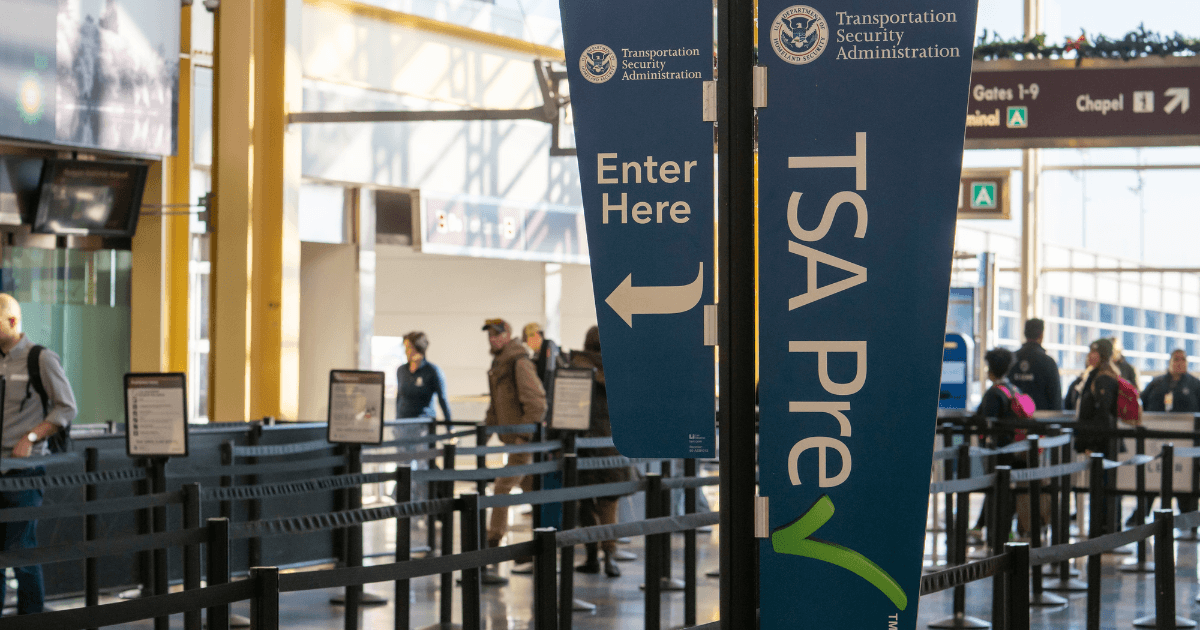
A crowded checkpoint is the worst possible environment for a nervous pet, and knowing when to step out of the main line can make every difference in how smoothly your flying with pets security procedures unfold.
The key signal to watch for is displacement behavior: excessive vocalizing, frantic scratching at the carrier mesh, attempts to bolt when held, or full-body trembling. If your pet shows any of these signs before you even reach the conveyor belt, that is your cue to act early rather than wait for the situation to escalate mid-screening.
According to the TSA, travelers with skittish pets that may struggle or jump away can ask a TSA officer to screen the pet in a private screening room. The ask is simpler than most people expect. Alert the TSA officer before placing anything on the belt and say clearly: “I have an anxious pet and would like to ask about private screening options, please.”
Bold callout: You do not have to manage a panicking animal in a public corridor. Ask TSA about private screening options before the situation escalates.
In practice, this option can be especially useful for cat owners. TSA specifically notes that maintaining control is important for cats, who often get skittish when they are removed from their carrier and exposed to checkpoint sights and sounds. Cat parents who store health records and vaccination documents in a secure digital record can keep key pet details close at hand if questions come up.
Once inside the enclosed area, the logistics mirror the standard walk-through: carrier onto the table, pet removed and held securely, carrier sent through the X-ray, then reunited before exiting. The difference is space, quiet, and control, three things that shift the experience from crisis management to calm procedure. Service animal handlers face a distinct but related set of considerations at the detector itself, which the next section addresses in full.
Service Animals and Metal Detectors: A Specialized Approach
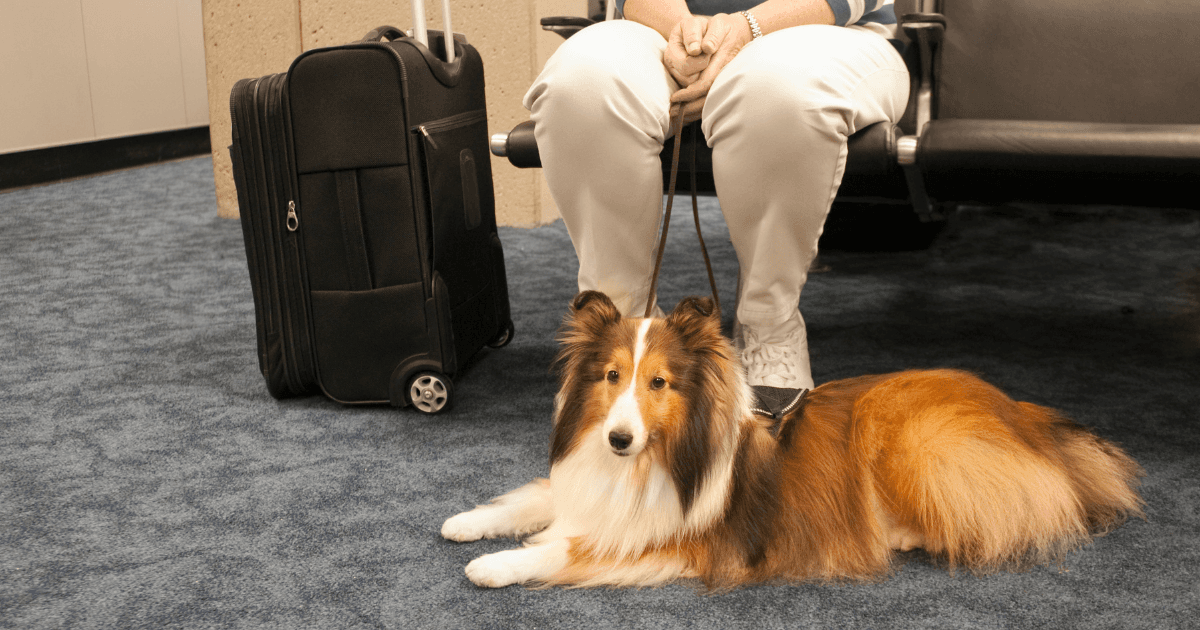
Service animal handlers face a uniquely layered version of the metal detector challenge, one where equipment, legal rights, and animal control all converge at the same moment. Understanding TSA pet screening requirements specific to service animals helps you walk into that checkpoint with confidence rather than confusion.
Service animal gear may be screened, but necessary control items do not have to be removed. As TSA’s own FAQ confirms, handlers and service animals may walk through the metal detector together or separately on a leash. If the metal detector alarms, both handler and animal undergo additional screening, including a pat-down. TSA also states that collars, harnesses, leashes, backpacks, vests, and similar items are subject to screening, but items needed to maintain control of the service animal or show the animal is working do not have to be removed.
Maintaining animal control during your own screening is a real logistical challenge. One practical approach is to position your service dog in a tight heel before the pat-down begins, giving a calm “stay” cue. The dog remains tethered to you and should not be handed off to a TSA officer.
On the rights side, TSA says officers will ask for the handler’s assistance before touching the service animal or its belongings, a protection worth knowing before you reach the bin. How you organize everything before the checkpoint, though, is where preparation does the heaviest lifting, and that is exactly what the next section covers.
The Pre-Checkpoint Checklist: Beyond the Physical Walk
Walking through a metal detector with your dog is smoother when the preparation happens long before you reach the bin, and that preparation starts at home, not at the airport.
According to the TSA, preparation and familiarity with specific steps are the most effective ways to ensure a smooth, incident-free experience. The physical walk through the detector is only one moment in a longer sequence. What sets calm, confident handlers apart is how thoroughly they have worked through every variable before that moment arrives.
A ready handler is the single biggest factor in a stress-free screening. Here is what that readiness looks like in practice:
Strip metallic gear before the bins. Remove non-essential collars, tags, and harnesses while you are still in the queue, not when a TSA officer is waiting.
Keep health certificates on top. If a secondary inspection occurs, you need documentation immediately accessible, not buried in a carry-on.
Know your right to a private room. As covered earlier, this option exists and requesting it in advance signals confidence rather than delay.
Have your Digital Pet Passport pulled up. A phone screen showing your pet’s complete health profile prevents the frantic document search that rattles both you and your animal.
PadsPass automates the “what do I need next” anxiety that builds on the drive to the airport. Rather than cross-referencing paper certificates against airline rules, you have every requirement, vaccination record, and deadline organized in one secure digital profile, ready to present the moment any officer asks.
Those details feed directly into the broader rules of pet screening that every traveler should internalize before departure. You have got this. Here is exactly what to do next.
What You Need to Know: The Bottom Line on TSA Pet Screening
Pet travel is more complicated than it looks, and the checkpoint is where that complexity becomes impossible to ignore. Knowing the four non-negotiable rules before you reach the security lane is what separates a smooth crossing from a stressful one.
Never send your animal through the X-ray tunnel. This is the single most important rule at any airport checkpoint. The TSA confirms that the X-ray conveyor is strictly for luggage and carriers, your pet comes out of the bag and walks through the metal detector with you, or is carried through in your arms.
You have the right to request a private screening room for pets. If your dog is a flight risk, reactive, or simply too stressed for a public lane, you can ask a TSA officer for a more controlled environment. That option exists, and using it is not a disruption, it is a reasonable accommodation that keeps both your animal and other travelers safe.
Use simple, easy-to-manage gear before you step into the lane. TSA says you should maintain control of your pet with a leash and remove the leash when carrying your pet through the metal detector. For service animals, TSA notes that necessary control items do not have to be removed.
Digital health records eliminate last-minute fumbling. When your documents are already organized and accessible, the way PadsPass keeps everything in one place, you are not searching through a bag while holding a nervous animal. That kind of preparation is what the next section is all about.
Mastering the Logistics of Pet Travel with PadsPass
The physical coordination at a checkpoint gets dramatically easier when the paperwork side of pet travel is fully automated before you arrive. Every moment you spend wrestling with printed health certificates or second-guessing destination requirements is a moment you cannot spend focusing on your dog. And that mental load compounds fast when you are also managing a carrier, your carry-on luggage, and a security line that does not pause for uncertainty.
PadsPass uses AI to verify veterinary records and generate route-specific compliance checklists, so the documentation piece works in the background while you focus on the physical reality of the checkpoint itself. Rather than piecing together requirements from a dozen different airline and destination sources, you get a single, organized picture of exactly what your route demands. That kind of clarity is not a luxury; it is what separates a smooth checkpoint experience from a stressful one.
Paperwork automation is the foundation that makes physical preparation possible. When health certificates, vaccination records, and destination rules are organized and verified in one place, you walk into the airport already ahead. You can start building your travel plan through the PadsPass dashboard and see exactly what your specific route requires, no guesswork, no last-minute scrambling at the gate.
Pet travel has real complexity, but it is complexity you can absolutely get in front of. You have got this. Here is exactly what to do next: let PadsPass handle health certificate automation so the checkpoint becomes the straightforward, well-rehearsed moment it was always meant to be.