Why Bermuda Pet Travel is More Complicated Than It Looks (and How to Get It Right)
Two documents, not one
Bermuda is recognised as being rabies-free, and the island's strict entry rules exist to keep it that way. Every dog and cat arriving on the island needs approval in advance, and the most common mistake is assuming one document covers everything.
The Import Permit and the health certificate are separate requirements. Neither replaces the other. The Government of Bermuda issues the permit in advance; your vet issues the certificate close to travel. Arrive without either and your pet can be refused entry.
The timing is what catches people out. Both documents live inside the same short window, and both have to line up with your arrival date.
Getting the import permit
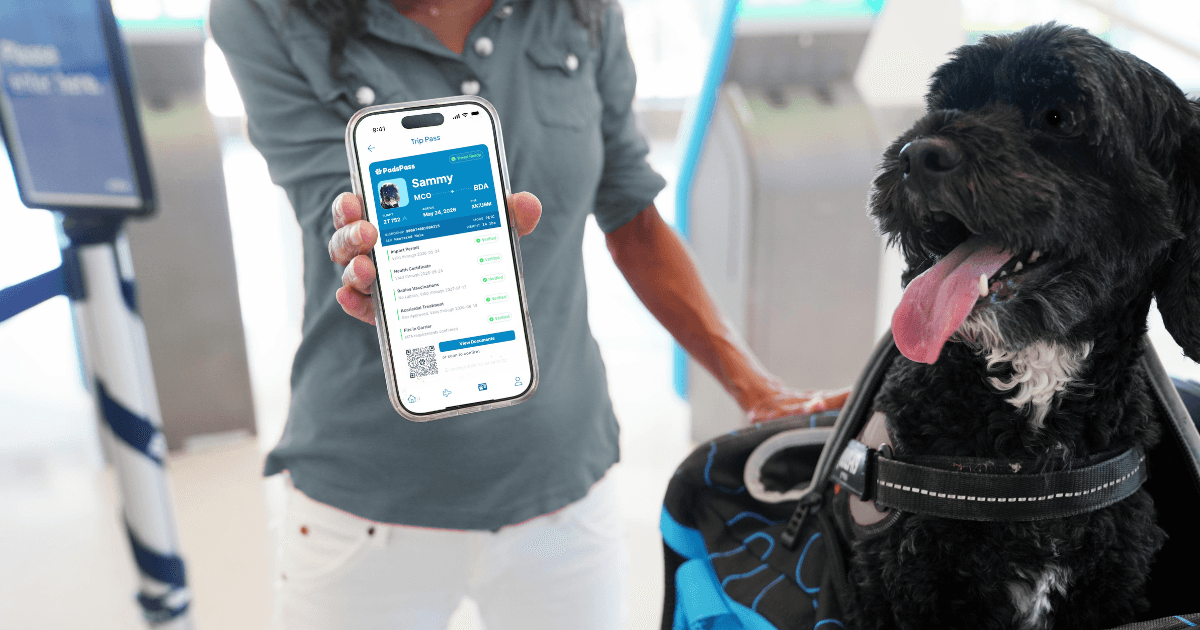
Yes, you can bring your dog to Bermuda — but only with a permit secured before you leave home. This isn't something you sort out on arrival.
Before you apply, your pet needs:
An ISO-compatible microchip, implanted before anything else. It's the identifier every other document refers back to.
More than one rabies vaccination, given after microchipping. A single rabies vaccination doesn't qualify your pet for entry, whatever their age. If your pet has had a three-year vaccine, ask the department how it's treated before you book anything.
A minimum age of 10 months. Dogs and cats under 10 months don't qualify for entry to Bermuda at all, so puppies and kittens can't travel on the timeline most owners assume.
Blood test results, where required. Whether a rabies titer test applies depends on your pet's vaccination history and country of origin, so confirm your situation directly with the department.
You apply online to the Department of Environment and Natural Resources, submitting your pet's vaccination records, microchip details, and any lab results. The office doesn't process applications at weekends or on public holidays, so build that into your timing if you're flying early in the week.
The permit is only valid for 10 days from the date of the veterinary health certificate. You can't sort it months ahead. The vet visit, the permit application, and your arrival all sit inside the same 10-day window.
Once granted, the permit travels with your pet. Bermuda wants the original permit and the original certificate presented on arrival, not photocopies or phone screenshots.
The 10-day health certificate window
The certificate isn't just a vet appointment — it's a timed sequence, and the window is tight.
The health certificate must be issued within 10 days before your pet arrives in Bermuda. USDA APHIS confirms this for pets travelling from the US, and also notes that USDA endorsement isn't required for Bermuda — a step people often pay for unnecessarily.
Work backwards from your landing date. Count back 10 days, then book the vet inside that window with enough room to submit paperwork before you fly.
The 10-day rule applies wherever you're flying from, whether that's the US, Canada, or elsewhere. The UK is the one exception: pets travelling from there also need an Export Health Certificate (EHC 2921) signed by an Official Veterinarian, issued within five days of departure.
The certificate needs to identify your pet by name, breed, sex, age, and colour, confirm freedom from communicable disease, and record parasite treatment. Tell your vet it's a Bermuda-specific certificate. A generic health form missing the required language is one of the most common reasons paperwork gets rejected.
Check the breed rules before you book
Bermuda restricts and prohibits certain dog breeds, and this catches owners late — after flights are booked and the vet is scheduled.
Restricted breeds can face extra conditions, and prohibited breeds can't enter at all. Check the government's list of restricted and prohibited breeds before you commit to dates, especially if your dog is a bull breed or a mixed breed that might be identified as one.
Getting your pet on the plane
Correct paperwork still has to survive check-in. Airlines verify documents at the gate, and if something's missing your pet may not board.
BermudAir accepts dogs in the cabin or the hold and cats in the cabin only, on select routes. Space is tight — four pet carriers in the cabin and one crate in the hold per flight — so book your pet's place at the same time as your own seat.
What agents typically check:
The original Import Permit
The original health certificate, issued within the 10-day window
Proof of microchipping that matches the paperwork
A compliant carrier, meeting the airline's dimension and ventilation specs
Connections add complexity. A routing through another country can introduce its own transit and documentation rules on top of Bermuda's, so confirm whether your itinerary is nonstop before booking.
Residents and visitors: what changes on arrival
The permit and certificate requirements are the same either way. The difference comes once you land.
Residents: resident dogs must be licensed at the Department of Environment and Natural Resources' main office at the Botanical Gardens in Paget immediately after arrival.
Visitors: for a short stay, Customs may ask for a refundable deposit against import duty. It's at the officer's discretion, so it's worth being ready for rather than surprised by.
Going home again
The documents that got your pet into Bermuda don't automatically get them home. Every country runs its own entry rules, and Bermuda's paperwork doesn't satisfy them.
Back to the US. Returning means meeting CDC requirements, which are separate from Bermuda's. For dogs, what's needed depends on where the dog has spent the previous six months. A dog that's only been in rabies-free or low-risk countries generally needs the CDC Dog Import Form; dogs with high-risk travel history face more.
Back to Canada. Worth knowing that the Canadian Food Inspection Agency doesn't include Bermuda on its list of countries recognised as rabies-free, so a pet coming home from Bermuda is treated like any other import and needs a valid rabies vaccination certificate.
Back to Great Britain. Which travel document you need depends on the country you're travelling from, so check GOV.UK before you fly. Dogs also need tapeworm treatment given by a vet between 24 and 120 hours before arrival, recorded on the certificate. Miss that window and your dog can be refused entry or quarantined.
Keep the original Bermuda paperwork whichever way you're heading. It's useful for airline checks and border questions on the way back.
The bottom line
Check eligibility before anything else. Pets under 10 months, or with only one rabies vaccination, can't enter Bermuda.
Both documents share one 10-day window. The permit expires 10 days after the certificate date, so the vet visit starts the clock.
Book the vet inside the 10-day window. Too early and the certificate is invalid on landing.
Check breed restrictions before booking flights.
Carry originals. Digital copies are useful for reference, but border officers want physical documents.
Skip USDA endorsement if you're travelling from the US. Bermuda doesn't require it.
Get the paperwork settled before you fly
Bermuda's rules aren't unreasonable — they're just sequenced, and the sequence is easy to lose track of across government pages, airline fine print, and your vet's schedule.
PadsPass reviews your pet's vet records and builds a route-specific checklist, so you can see what's done, what's missing, and what's due next in one place instead of five tabs. If you're new to the format, here's what a digital pet passport actually is.