The 12-Ounce Rule: Why Your Cat Litter Might Be Flagged by TSA
Planning to fly with your pet? Learn the TSA rules for cat litter, including the 12-ounce powder limit for carry-on bags to avoid delays at airport security.
Understanding the TSA powder rule for cat litter
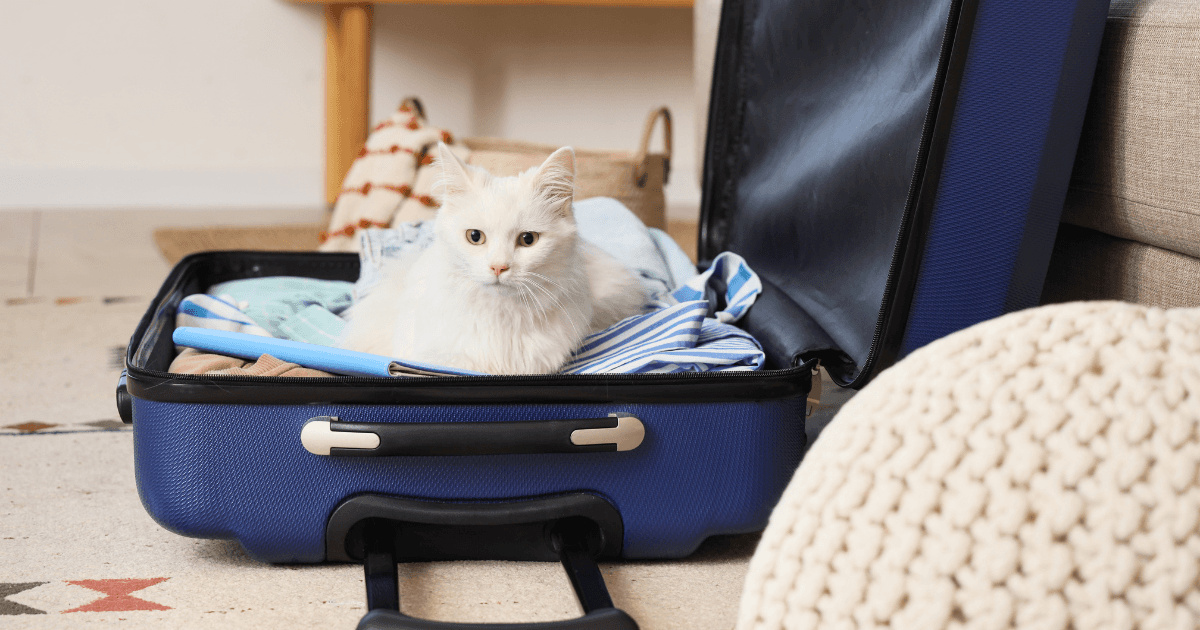
Cat litter seems harmless, and it is, but that doesn’t mean it gets a free pass through airport security.
The critical rule: TSA says powder-like substances over 12 ounces (350 mL) in carry-on bags must be placed in a separate bin for X-ray screening and may require additional screening. TSA’s published powder guidance does not name cat litter specifically, but many litters are powdery or granular enough to be treated like other powder-like products at the checkpoint. To put that in perspective, 12 ounces is roughly the size of a standard soda can, not a lot of litter.
Clay and crystal litters can also complicate X-ray screening because dense or granular items may obstruct a clear image of what is inside your bag. TSA gives officers discretion to separate foods, powders, and other items that clutter carry-ons or make X-ray images harder to read.
One more thing worth knowing: TSA officers hold what’s known as “final authority.” That means an officer can pull your bag for additional inspection or decide whether an item is allowed through the checkpoint. It’s not common, but it happens. Understanding how airlines and regulators approach traveling pets helps you pack smarter from the start, and that includes thinking carefully about where your litter goes in your luggage. Let’s explore that further.
Carry-on vs. checked bags: where should the litter go?
The simplest way to navigate cat litter TSA rules is to split your supply strategically, bulk in your checked bag, a small emergency stash in your carry-on.

Factor | Carry-on | Checked bag |
|---|---|---|
Quantity limit | Under 12 oz (powder types) | No TSA powder limit |
Inspection risk | Manual screening likely | Possible physical inspection |
Convenience | Quick access mid-flight | Inaccessible during travel |
Best for | Short flights, emergencies | Bulk supply, longer trips |
Checked luggage is your best friend for bulk litter. Because the 12-ounce powder rule doesn’t apply to checked bags, you can pack a full supply without worrying about TSA flagging it at the checkpoint. If your cat needs a travel litter box during a long haul, that’s where your main stash belongs.
For your carry-on, think minimal. A small, clearly labeled amount, just enough for one or two mid-flight box refreshes, is all you need. Using clear, resealable bags keeps any powder-type litter visible and easy to hand over for inspection without slowing down the line.
One caveat worth knowing: checked bags aren’t completely risk-free either. TSA agents do conduct physical inspections of checked luggage, and organic or natural litters, think wood pellets or plant-based materials, can raise questions. And that’s actually a perfect lead-in to something many cat owners don’t think about until it’s too late: the rules change significantly once you cross an international border.
Domestic vs. international: navigating organic material bans
International pet travel litter requirements are a completely different challenge from domestic ones, and getting them wrong can mean your supplies get confiscated at the border.
On a domestic US flight, TSA’s concern is purely about security. As we covered earlier, it’s the powder screening process that causes headaches. But the moment you cross an international border, the game shifts entirely. Now you’re dealing with biosecurity, and customs agencies in many countries are far less forgiving than a TSA agent with a swab kit.
Plant-based, wood-based, and other organic litters are the biggest risk. Biosecurity rules vary by destination, but many countries place strict controls on plant material, animal products, soil, and other agricultural-risk goods. What looks like an innocent bag of pine pellets or wheat-based litter to you may look like a potential agricultural contamination risk to a biosecurity officer in places with strict border controls, such as Australia or New Zealand. These products can be inspected, seized, treated, exported, or destroyed depending on the destination’s rules.
Consider these points before packing for an international trip:
Clay litters are generally lower-risk across borders, though this varies by destination. Silica gel litters also tend to raise fewer biosecurity flags because they’re inorganic. Always confirm with the destination country’s agriculture or biosecurity authority before traveling.
Documentation matters more than you’d expect. USDA APHIS guidance focuses on pet travel documentation such as health certificates for international trips. For supplies like litter, keep the original packaging, ingredient label, and country-of-origin details handy so customs or biosecurity officers can assess what you’re carrying.
Some destinations require litter to be commercially sealed and labeled. Loose or repackaged litter in a zip-lock bag is far more likely to be flagged or confiscated than a factory-sealed product with a visible ingredient list and country of manufacture.
The practical takeaway: for international travel, stick to inorganic litters where possible, keep everything commercially sealed, and always check your destination country’s biosecurity rules well in advance. And once you’ve sorted what litter you’re bringing, the next question is how your cat actually uses it mid-flight.
The logistics of in-cabin bathroom breaks
Flying with cat litter in carry-on bags is only half the puzzle, the bigger challenge is figuring out how your cat actually uses it mid-flight.
Consider this: IATA guidance says in-cabin dogs and cats must travel in an airline-compliant container that fits under the seat or another airline-specified location, and many airlines require pets to stay in their carriers for the entire flight. That means no pop-up litter box in the aisle, no bathroom runs to a quiet corner. Your cat’s “restroom” has to fit inside the carrier itself, and that changes everything about how you pack.
The most practical in-carrier solution is a travel litter setup using absorbent pads rather than loose litter. Puppy training pads or disposable pet pads line the carrier floor flat, absorb moisture quickly, and create zero mess. They’re TSA-transparent, weigh almost nothing, and swap out easily. Loose litter inside a moving carrier, on the other hand, scatters, gets into your cat’s paws, and can trigger that secondary screening you were hoping to avoid.
If your airline allows it and your carrier has enough room, a small collapsible travel litter setup with no more than a cup of litter may work for some cats. Keep the litter amount minimal, enough to give your cat the right texture cue without creating a spillage risk.
Pro-Tip, Odor control in a confined cabin: Activated charcoal inserts placed beneath the carrier pad absorb odors without any scent added. Avoid baking soda mid-flight, it’s a fine powder that can irritate your cat’s airways in an enclosed space. A lightly spritzed enzymatic spray on the pad before boarding (never during) is your best pre-emptive move.
Odor management matters more than most travelers anticipate. A five-hour flight in a pressurized cabin amplifies smells, and your fellow passengers will notice. Planning ahead, with the right liner, the right litter type, and a spare pad in your personal item, means you handle any mid-flight situation quietly and confidently.
That preparation mindset carries straight into the security line, too. Knowing exactly what’s in your bag, and why, makes the TSA checkpoint far less stressful than most people expect.
How to handle the TSA checkpoint without stress
Getting through security with cat litter doesn’t have to derail your morning, but a little preparation goes a long way toward keeping the line moving and your stress levels low.
Here’s a simple approach that works:
Remove the litter before the belt. According to the Transportation Security Administration, powder-like substances over 12 ounces / 350 mL must go into a separate bin for X-ray screening. Don’t wait to be asked, pull it out proactively, just like you would a laptop.
Give the officer a quick heads-up. A calm, simple “I have cat litter in a separate bin, traveling with my cat” sets context immediately. Officers deal with ambiguous powders constantly, and a friendly word removes guesswork before it becomes a holdup.
Have your pet documentation ready. Digital records of your cat’s health certificates and supplies can clarify why you’re carrying unusual items. Tools like the PadsPass® Digital Pet Passport™ let you pull up organized pet records instantly, which can help explain what looks like a suspicious powder to a scanning machine.
Stay calm if it’s flagged for a swipe test. A residue swipe checks for explosive compounds. It’s routine, not an accusation. Keep the litter sealed, answer questions plainly, and you’ll typically be on your way within minutes.
Clear, labeled packaging matters more than most travelers realize. An unmarked zip-lock bag of pale powder will always draw more scrutiny than a sealed, original container with a recognizable brand and ingredient list. If you’ve repackaged your litter to save space, consider adding a handwritten label or keeping a photo of the original bag on your phone.
With the checkpoint handled, there are a few broader rules worth keeping in mind before you finalize your packing, and that’s exactly what’s coming up next.
The bottom line: what you need to know
Cat litter is allowed on planes, but how you pack it, and how much you bring, determines whether you sail through security or spend extra time at the checkpoint.
The key rules in plain terms:
Amounts over 12oz in carry-ons get flagged. Dense powders and granules obstruct X-ray imaging, so anything over that threshold is likely pulled for additional screening. Keep carry-on quantities small and compact.
Checked bags are your safest bet for bulk litter. If your cat needs a meaningful supply for the trip, pack it in checked luggage. It sidesteps the powder-screening issue entirely and gives you more flexibility on quantity.
International travel adds another layer. Organic or plant-based litters can be classified as agricultural materials, and some countries restrict or prohibit their import. Always check your destination’s customs rules before you pack, USDA APHIS is a solid starting point for US-based travelers heading abroad.
Clear, labeled packaging is non-negotiable. Loose powder in an unmarked bag is a red flag for screeners. Use the original container or a clearly labeled zip-lock bag to avoid unnecessary delays.
And remember: as noted in earlier sections, TSA officers have final authority on what passes through, even when the general rules seem straightforward. What’s accepted at one checkpoint isn’t guaranteed at another. Packing smart reduces the variables you can’t control. And when litter is sorted, you’ll find there’s a whole lot more to navigate on a pet journey, which is exactly where the next section picks up.
Simplifying the complexities of pet travel compliance
Cat litter rules are just the beginning, flying with your cat means navigating dozens of overlapping regulations before you ever reach the checkpoint. Knowing exactly what to do next is always better than hoping for the best. And that shift, from anxious guessing to confident preparation, is exactly what good pet travel planning makes possible.
Think about everything stacked on a single trip: airline carrier dimensions, health certificate timing, microchip requirements, destination entry rules, vaccination records, and yes, what type of litter you can pack. Pet travel is more complicated than it looks. Each requirement lives in a different corner of the internet, from USDA APHIS guidance to airline fine print to TSA policy pages. Piecing it together manually is where mistakes happen.
That’s why a centralized dashboard built around your specific route matters so much. Instead of cross-referencing five tabs and hoping you didn’t miss anything, you have one clear picture of what’s required, what’s done, and what still needs attention. It turns a fragmented process into something manageable.
You and your cat have destinations to reach. With the right tools and a solid plan, travel doesn’t have to feel like a compliance obstacle course. The PadsPass® Digital Pet Passport™ + ID was built for exactly this, so you can stop second-guessing and start exploring. You’ve got this. Here’s what to do next.