Screwworm and pet travel: which US states could stop your pet coming home
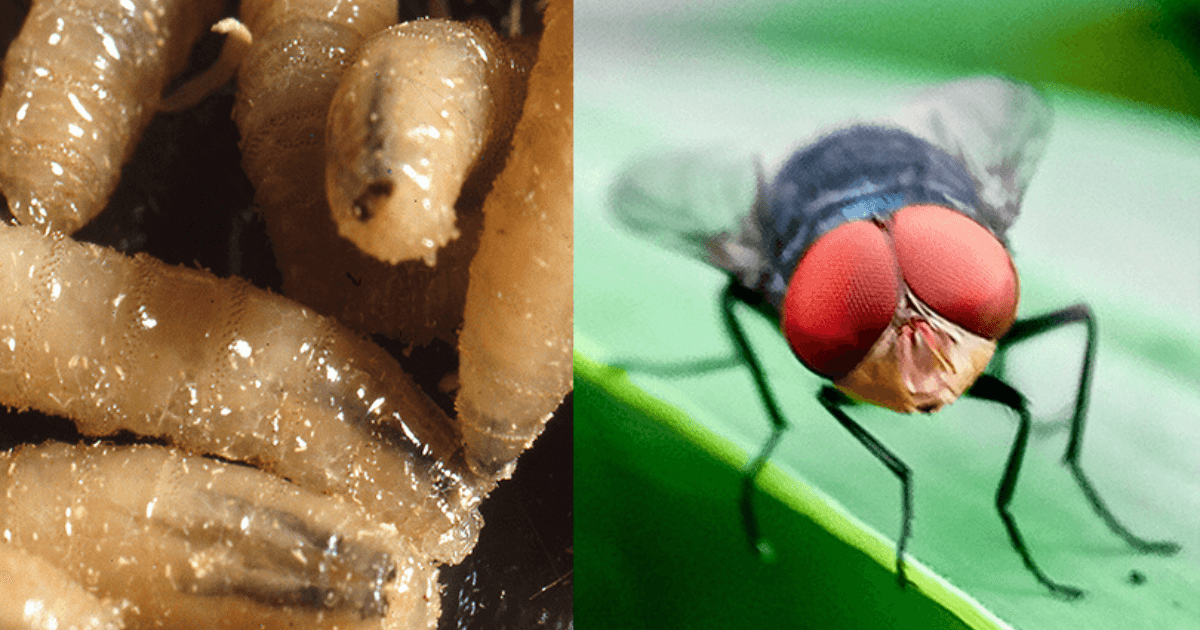
A new screwworm requirement for traveling with your dog from the US to Mexico has made headlines. The return trip hasn’t had the same coverage, however — and it’s the part of the journey that’s catching people out.
As of August 3, Mexico requires that dogs have a certificate issued by a USDA-accredited vet, dated no more than 5 days before arrival.
What’s flown under the radar is that nine US states have added their own screwworm requirements. One of them does not let affected pets in at all. Several apply to cats as well as dogs. And most of them are not triggered by a trip from Mexico — they are triggered by moving from an affected US state, which means they can apply to a trip that never leaves the country.
What changed
Four things the headlines skipped:
This involves a veterinarian in the US before arriving in Mexico. USDA accreditation is a US program, so nothing has to be done by a veterinarian in Mexico for arrival in Mexico. But not every US practice has an accredited veterinarian, so ask when you book rather than when you arrive. If yours is not accredited, your state's USDA APHIS Veterinary Services office can point you to one nearby.
Count the five days back from landing, not from take-off. Arrive on the 10th and the certificate cannot be dated before the 5th. If you have a long stopover, that window is tighter than it looks.
No additional endorsement needed. Unlike other export health certificates for Europe or the UK, there is no extra government step after the appointment.
It is a dogs-only form. The species column is pre-printed, so it cannot be used for a cat. Pet birds have their own addendum.
Current details and the form itself are on the APHIS pet travel page for Mexico.
We have covered the outbound leg step by step — the form, the appointment and the two certification statements — in https://intercom.help/padspass/en/articles/16188612-your-dog-now-needs-a-screwworm-certificate-to-travel-from-the-us-to-mexico?utm_campaign=newsletter&utm_content=mexico_screwworm_certificate&utm_medium=email&utm_medium=email&utm_source=august_6_newsletter&utm_source=intercom
Traveling with a cat does not mean traveling without paperwork
Mexico does not require a health certificate for cats. Cats are inspected by SENSICA, the Mexican government animal health authorities, on arrival instead. So for cats arriving into Mexico, they need nothing from a veterinarian, and the new requirement does not apply to them either.
It is very easy to conclude the return will be just as simple. It is not.
Several of the states below apply their screwworm rules to cats exactly as they do to dogs when they return to the US — Washington State, Hawaii, Tennessee, Alabama and Maryland among them.
And because the New World Screwworm attestation on departure form Mexico is dogs-only, its all too easy for cats to assume they do not need to do anything to fly home. Where a state wants a screwworm-free statement for a cat, that wording has to go on the health certificate your own veterinarian issues instead.
Coming home: the federal rule comes first
A pet dog entering the United States from a country where screwworm exists needs a certificate signed by a full-time salaried veterinary official (in Mexico this is a SENSICA official veterinarian), stating the dog was inspected for screwworm within the five days before returning to the US. That applies at federal level for travel from Mexico (or any country currently affected by Screwworm) to the US, whichever state you are heading to.
Some states then add their own requirements on top.
The nine states with their own screwworm rules
No two of them work the same way. Some want a shorter certificate window, some want specific wording written on the certificate, and some want a permit arranged days in advance.
State | What it asks for |
|---|---|
Washington State | Pets arriving from a country with confirmed active screwworm cases are prohibited from entering. There is no certificate or treatment route. Also asks for a 5-day CVI for pets arriving from US states with a designated active infested zone, and suspends the usual family-pet CVI exemption for affected areas. Confirm the current position with the Washington State Department of Agriculture on 360-902-1878 before booking |
Tennessee | A 7-day CVI carrying a specific screwworm-free statement. From a designated infested zone, also documented treatment and an entry permit arranged at least 48 hours ahead. Every animal must be free of wounds, so one animal with an unhealed wound can hold up everyone traveling together. Covers cats as well as dogs |
Alabama | A 7-day CVI plus inspection within 5 days of movement. Permits by email at least 48 hours ahead, business hours Monday to Friday only, so a Friday evening arrival planned on a Thursday will not have one. No dog or cat infested with screwworm may be imported for any purpose |
Florida | From a designated Infested County, prior permission and a Certificate of Animal Movement. From a designated High-Risk Area, an official CVI valid only 5 days, carrying a screwworm-free statement |
Maryland | All warm-blooded animals from Texas and New Mexico need an official CVI issued within 72 hours of movement, stating freedom from disease and pests including screwworm. Dogs and cats are both covered |
Delaware | A certificate issued within 72 hours of movement, covering all warm-blooded animals and naming dogs and cats. Where a pet has a wound, treatment must be given at least 5 days before entry, which means two separate appointments in that order — one visit cannot cover both |
Vermont | Arrivals from affected states need screwworm treatment, inspection, and a CVI within 5 days |
Colorado | A 5-day CVI for pets arriving from states with a designated active infested zone |
Hawaii | Every CVI must carry the statement that the animals were inspected and found free of evidence of New World screwworm infestation |
Washington State is the only outright prohibition on that list. Everywhere else is paperwork, however tight the window.
Species scope is not identical everywhere, and some states have not stated it plainly. If you are travelling with a cat, confirm with the state directly rather than assuming the rule is dogs-only.
This is not only a Mexico problem
This is the part most people miss. Only two of the nine states are triggered by arriving from another country.
Washington State names countries with confirmed active cases, and Hawaii requires its statement on every certificate. Those two bite on a direct flight home from Mexico.
Tennessee, Alabama, Maryland, Colorado, Vermont and Florida are triggered by movement from an affected US state, county or zone — not by arrival from Mexico.
So a cat flying direct from Mexico into Nashville may not trigger Tennessee's order at all, while the same cat driving in from an affected state would. And a dog that never leaves the country can still be caught, if the route crosses the wrong state line.
If your journey home continues by road, or by a second flight, check every state on that leg — not just the one you land in.
Treatments exist, but your veterinarian chooses them
Several products are authorized for treatment of screwworm in dogs and cats but as the FDA puts it, "To date, there are no drugs with a full FDA approval for NWS myiasis." What exists are conditional approvals and emergency use authorizations for treatment, and those change.
The FDA maintains the current list: New World Screwworm: Information for Veterinarians.
Three things worth knowing:
The authorized dog and cat products treat an existing infestation. None is authorized to prevent one. Whether anything preventive is appropriate before you travel is a decision for your veterinarian.
Almost all are prescription only. A small number are over the counter, but screwworm is not something to treat without veterinary advice.
Where a state asks for documented treatment, the active ingredient and the timing matter, not the brand. Tennessee and Alabama both set minimum intervals, so treatment has to be given a set number of hours before entry.
Ask your veterinarian which product they intend to use and when, and make sure it is recorded with the date, brand name and active ingredients.
What to do before you book
Check today's designations, not last month's. The lists of affected countries, states and counties change. Start at
screwworm.gov.Map your whole route, including road legs and connecting flights, and check every state on it — not just your destination.
Confirm directly with the state if any state on your route appears above. Phone numbers change less often than web pages do.
Arrange any permit before you book travel — Tennessee and Alabama both need 48 hours' notice.
Tell your veterinarian which states are involved before the appointment, so the certificate carries the right statement and the right date window. Check they are USDA-accredited if you are heading to Mexico.
The rules will keep moving. What does not have to keep moving is your pet's paperwork: complete your pet's profile in the PadsPass app so vaccination and treatment records are ready the moment a certificate is needed at short notice.
Planning your pet's next trip starts here.