Obesity in Pets

A common misconception about pet obesity is viewing it as cute, charming, or normal—treating it like something endearing rather than a health concern.
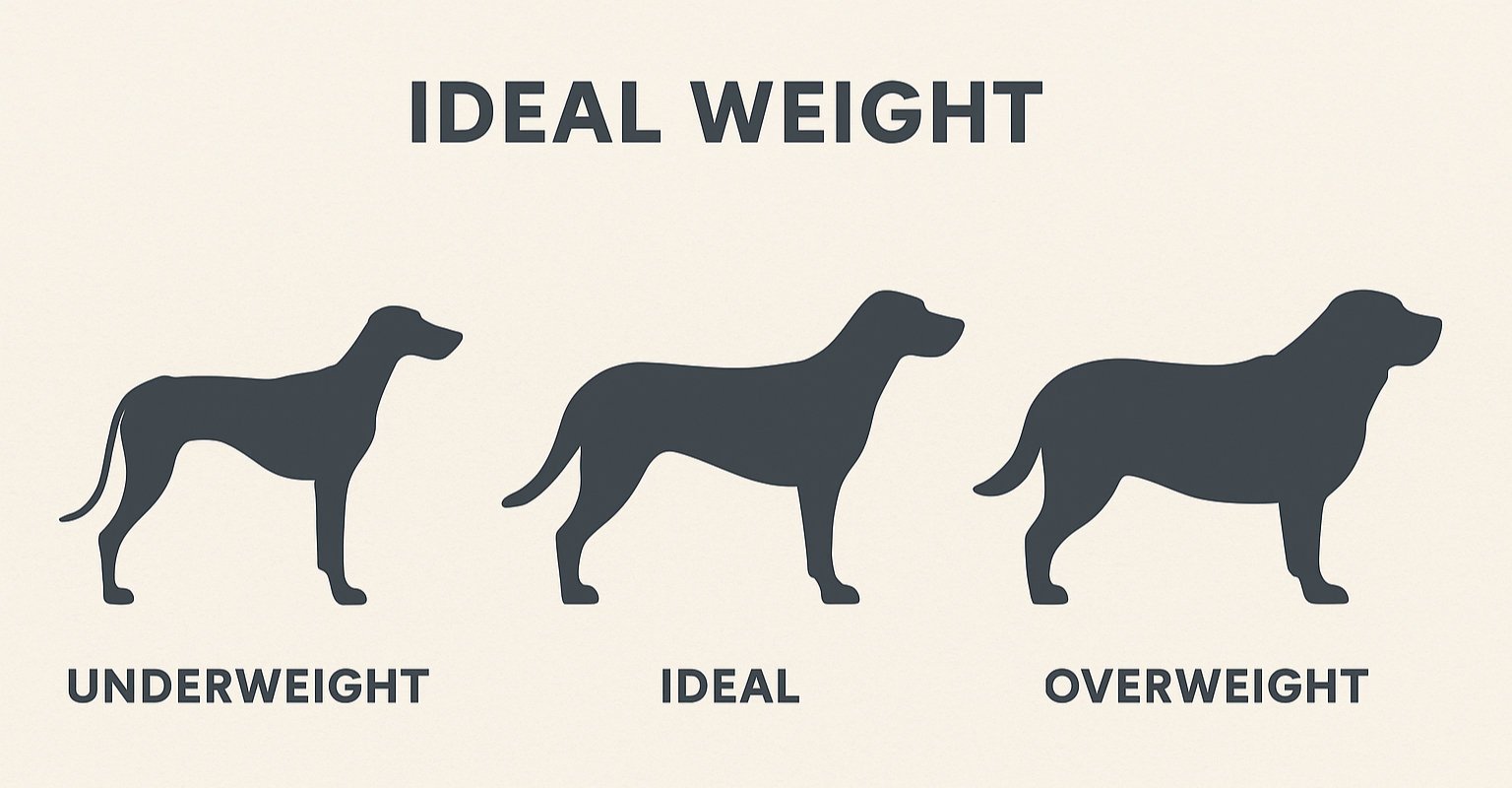
Many pet parents have grown accustomed to seeing overweight pets as the standard. Some become concerned when they can see their pet's ribs, mistakenly interpreting this as a sign of undernourishment when it's often a marker of healthy weight. Many incorrectly believe that free-feeding throughout the day is harmless and fail to count treats as part of their pet's caloric intake. I regularly encounter pet parents who detail their dog's eating routine but omit mentioning treats—both what kinds and how frequently they're given.
I always begin with building awareness—simply measuring food portions can dramatically improve both animal health and pet parent mindfulness.
I explore additional factors such as whether small children in the home might share food, if neighbors offer treats, or what other habits affect daily calorie consumption. I recommend small, manageable adjustments to address these issues. Experience has taught me that everyone in the pet's environment must participate to successfully change feeding habits.
I make a point to discuss treats specifically, as many don't recognize them as part of the overall diet. We need to better educate pet parents about proper body condition and what healthy weight actually looks like. The same education is needed regarding appropriate calorie intake for pets.
The problem stems from multiple factors:
Misunderstanding what a healthy weight looks like
Normalizing gradual weight gain associated with aging and slower metabolism
Insufficient awareness about related health risks
Some pet parents find weight management particularly challenging if they struggle with their own fitness. This reflects a broader global issue affecting both humans and animals. The combination of increasingly sedentary lifestyles and easy access to food contributes significantly to the obesity problem.
Pet parents today face an overwhelming array of food choices and an explosion of treat options, many containing surprisingly high calorie counts.